
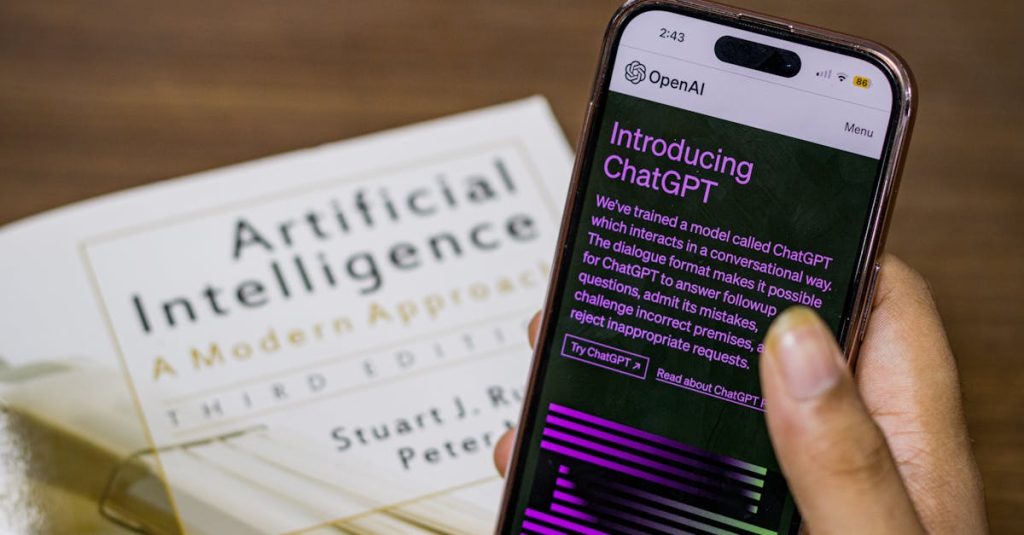
Artificial Intelligence (AI) has become one of the most powerful forces transforming the digital marketing landscape. Over the past few years, AI has changed the way brands interact with customers, analyze data, create content, and run marketing campaigns. With the ability to process massive amounts of data, automate repetitive tasks, and deliver personalized experiences, AI has made digital marketing more efficient, data-driven, and customer-focused. Businesses that adopt AI-driven strategies are able to gain a competitive advantage in today’s fast-paced digital environment.
Understanding AI in Digital Marketing
Artificial Intelligence refers to computer systems that can perform tasks that normally require human intelligence. These tasks include learning from data, recognizing patterns, making decisions, and improving performance over time. In digital marketing, AI tools use algorithms, machine learning, and predictive analytics to understand consumer behavior and optimize marketing strategies.
AI enables marketers to analyze customer data more accurately, predict trends, and deliver personalized content to the right audience at the right time. Instead of relying solely on manual analysis and guesswork, marketers can now make decisions based on real-time insights and data-driven predictions.
Personalization at Scale
One of the most significant impacts of AI on digital marketing is personalization. Modern consumers expect brands to understand their preferences and deliver relevant experiences. AI helps marketers analyze user behavior such as browsing history, purchase patterns, and engagement data to create personalized recommendations.
For example, e-commerce websites often use AI-powered recommendation engines to suggest products that customers are likely to purchase. Streaming platforms recommend shows based on viewing habits, while email marketing campaigns can now send customized content tailored to each subscriber.
This level of personalization improves customer experience, increases engagement, and significantly boosts conversion rates.
AI-Powered Content Creation
Content marketing remains a key component of digital marketing, and AI is changing how content is created. AI-powered tools can assist marketers in generating blog posts, social media captions, product descriptions, and even ad copies. These tools analyze trending topics, keywords, and user intent to produce optimized content that performs well in search engines.
Although AI cannot fully replace human creativity, it helps content creators save time and improve efficiency. Marketers can focus more on strategy and storytelling while AI handles research, formatting, and optimization tasks.
AI can also analyze which types of content perform best with audiences and suggest improvements to increase engagement.
Improved Customer Insights and Data Analysis
Digital marketing generates enormous amounts of data from websites, social media platforms, advertisements, and customer interactions. Analyzing this data manually can be extremely time-consuming and complex. AI solves this challenge by quickly processing large datasets and extracting meaningful insights.
With AI-driven analytics, marketers can understand customer behavior, identify trends, and predict future buying patterns. This allows businesses to create targeted marketing campaigns that resonate with their audience.
For example, AI can help marketers identify which marketing channels bring the most traffic, which ads generate the highest conversions, and which audience segments are most profitable. These insights allow companies to optimize their marketing budgets and improve ROI.
Chatbots and Customer Support
AI-powered chatbots have revolutionized customer service in digital marketing. Businesses can now provide instant support to customers through automated chat systems on websites, apps, and messaging platforms.
Chatbots can answer frequently asked questions, guide users through product selections, assist with purchases, and even collect customer feedback. Unlike human agents, chatbots are available 24/7, ensuring that customers receive immediate assistance whenever they need it.
This not only improves customer satisfaction but also reduces operational costs for businesses. Companies can handle thousands of customer interactions simultaneously without requiring a large support team.
Smarter Advertising and Campaign Optimization
AI has also transformed online advertising by making campaigns smarter and more efficient. Platforms like search engines and social media networks use AI algorithms to optimize ad targeting, bidding strategies, and performance tracking.
AI helps marketers identify the most relevant audience segments based on demographics, interests, online behavior, and purchasing habits. It also automatically adjusts ad placements and budgets to maximize performance.
For example, AI can test multiple variations of an advertisement and determine which version performs best. It then allocates more budget to the highest-performing ads, ensuring better results with minimal manual effort.
This level of automation allows marketers to run highly effective campaigns while saving time and resources.
Voice Search and AI Assistants
The rise of voice assistants and smart devices has also influenced digital marketing strategies. AI-powered voice assistants have changed how users search for information online. Instead of typing keywords, many users now ask questions using natural language.
This shift has encouraged marketers to optimize content for conversational queries and voice search. Businesses must focus on long-tail keywords, question-based content, and structured data to improve their visibility in voice search results.
As voice technology continues to grow, AI will play an even bigger role in shaping how consumers discover brands and products online.
Predictive Marketing
Another powerful benefit of AI in digital marketing is predictive marketing. AI algorithms can analyze past data and predict future consumer behavior. This helps businesses anticipate customer needs and deliver timely marketing messages.
For example, AI can predict when a customer is likely to make a purchase and trigger a targeted advertisement or email campaign. It can also identify customers who may stop engaging with a brand and suggest strategies to retain them.
Predictive analytics allows marketers to move from reactive strategies to proactive marketing, improving both efficiency and effectiveness.
Challenges and Ethical Considerations
Despite its many advantages, AI also presents certain challenges. One major concern is data privacy. AI systems rely heavily on customer data, and businesses must ensure that they collect and use this data responsibly.
Transparency and ethical use of AI are essential to maintain customer trust. Marketers must follow data protection regulations and clearly communicate how customer data is used.
Another challenge is the potential over-reliance on automation. While AI can handle many tasks efficiently, human creativity, empathy, and strategic thinking are still essential for building strong brand relationships.
The Future of AI in Digital Marketing
The influence of AI on digital marketing will continue to grow in the coming years. Emerging technologies such as advanced machine learning, augmented reality, and predictive analytics will further enhance marketing capabilities.
Businesses will increasingly rely on AI-driven tools to understand customer behavior, create hyper-personalized experiences, and optimize campaigns in real time. Marketers who embrace AI technology will be able to deliver more relevant and engaging experiences to their audiences.
However, the most successful digital marketing strategies will combine the power of AI with human creativity and strategic thinking.
Conclusion
Artificial Intelligence has fundamentally transformed digital marketing by improving personalization, automating processes, enhancing customer insights, and optimizing advertising campaigns. From chatbots and predictive analytics to AI-generated content and voice search optimization, the technology is reshaping how businesses connect with their audiences.
While AI offers powerful tools and opportunities, it should be used as a complement to human expertise rather than a replacement. By balancing technology with creativity and ethical practices, businesses can harness the full potential of AI to drive growth and build meaningful customer relationships in the digital age.
In the evolving world of marketing, AI is not just a trend—it is a powerful force that is redefining the future of digital marketing.